
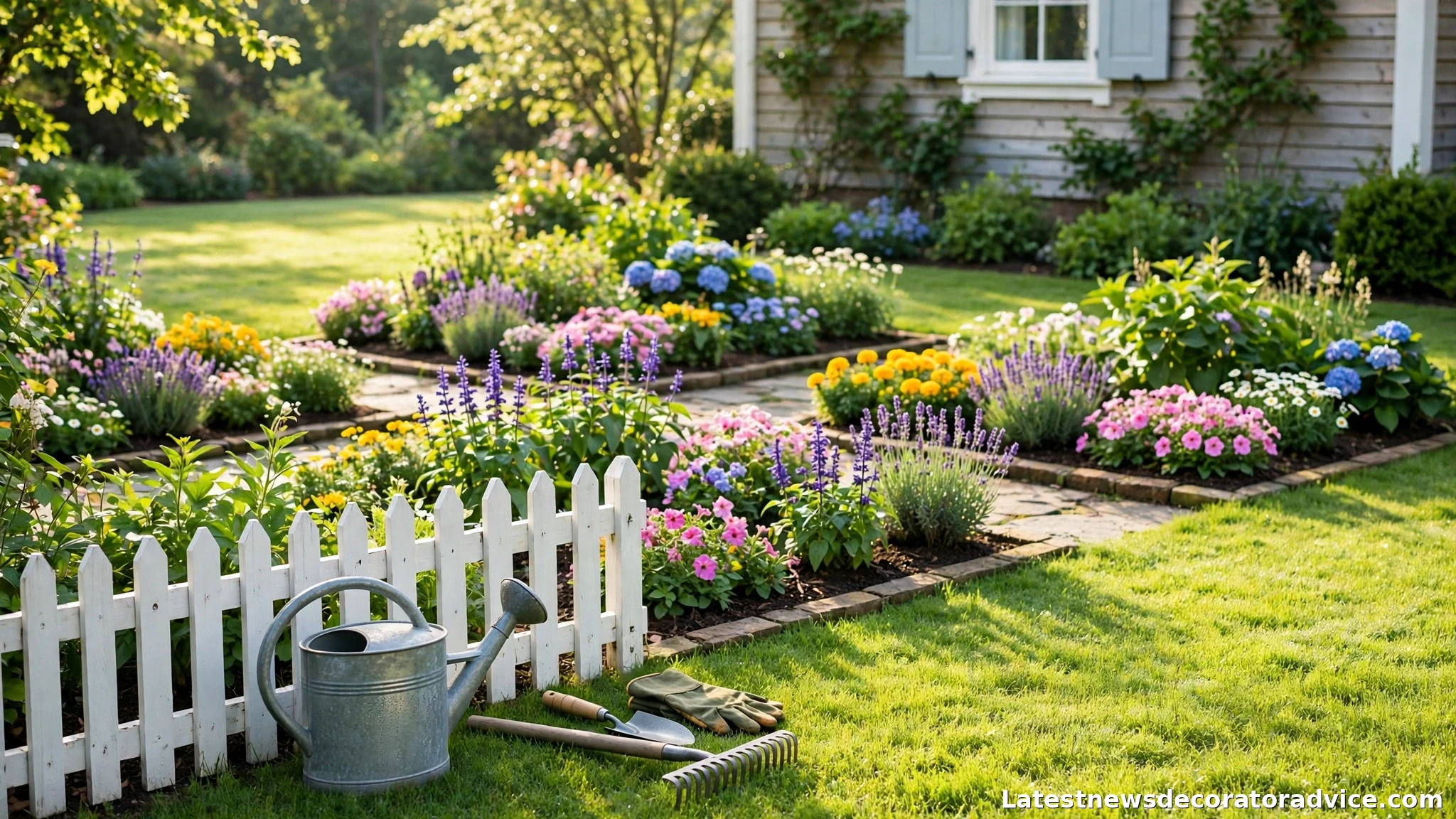
A healthy garden starts with understanding your soil, your sunlight, and your plants. With Decoradhouse Garden Tips By Decoratoradvice, you can grow stronger plants, waste less water, and enjoy a greener outdoor space, even if you are new to gardening. Small, regular habits matter more than expensive tools or perfect conditions.
Begin by watching your garden for a few days. Note where the sun falls in the morning and afternoon, where water collects after rain, and where wind is strongest. These observations will guide what you plant and where, and they will save you from common mistakes, such as placing sun-loving herbs in deep shade.
Decoradhouse Garden Tips By Decoratoradvice for Healthy Soil
Good soil is the foundation of a good garden. Healthy soil holds moisture, drains well, and feeds roots with nutrients. Dig a small handful: it should feel crumbly, not dusty or sticky. Add compost regularly, mulch bare soil, and avoid walking on wet beds, which compacts the ground and harms roots.
Feed, water, and mulch wisely
Water deeply but less often, so roots grow downward instead of staying near the surface. Early morning is usually best, because leaves dry during the day and disease is less likely. Mulch with bark, straw, or compost to keep moisture in, suppress weeds, and protect soil life. Feed plants according to their needs, and do not over-fertilise, which can burn roots and pollute runoff.
- Water the soil, not just the leaves, for deeper roots.
- Use a watering can or soaker hose to reduce waste.
- Keep mulch a few centimetres away from stems.
- Compost kitchen and garden waste where local rules allow.
Choose Plants That Suit Your Space
Choose plants for your climate, soil, and available light rather than for appearance alone. Native and well-adapted plants usually need less water and care, and they support local wildlife. Group plants with similar water needs together, and leave room for growth so air can circulate and disease stays low.
For vegetables and herbs, start with easy, rewarding crops such as lettuce, radishes, mint, and basil. For flowers, mix early, mid-season, and late bloomers so colour lasts through the year. If space is small, use pots, vertical planters, and hanging baskets. Containers need more frequent watering, so check them daily in warm weather.
Keep pests and weeds under control
Healthy plants resist pests better, so focus on soil, water, and light first. Hand-pick large pests, encourage birds and beneficial insects, and remove diseased leaves promptly. Weed little and often, before weeds seed, and mulch to make the job easier. For trusted, plant-by-plant advice, the Royal Horticultural Society is an excellent reference for gardeners at every level.
Plan a Simple Weekly Garden Routine
A short weekly routine keeps a garden thriving without taking over your weekend. Walk through the garden once or twice a week and look closely at leaves, stems, and soil. You will spot dry soil, new weeds, or early pest damage long before they become serious problems, and you will also notice new growth, buds, and fruit that make gardening so rewarding.
During each visit, water where needed, pull a few weeds, and tidy anything that is broken or overgrown. Check supports for climbing plants, empty saucers under pots so roots do not sit in water, and clean up fallen fruit that could attract pests. Spend a few minutes harvesting herbs and vegetables, because regular picking often encourages plants to produce more.
Once a month, take a little extra time for feeding, mulching, and checking tools. Sharpen secateurs, clean pots before reuse, and replace worn ties or stakes. These small jobs prevent bigger repairs later and keep the garden safe and pleasant to work in. If you only have ten minutes, use it for watering and weeding rather than starting a large new project, and your garden will stay manageable all year.
Seasonal Care Made Simple
In spring, tidy beds, feed plants, and sow seeds after the last frost in your area. In summer, water, deadhead flowers, and harvest regularly to encourage more growth. In autumn, clear fallen leaves into compost, plant bulbs, and protect tender plants. In winter, prune when appropriate, clean tools, and plan next year’s garden.
Keep a simple garden notebook or phone note. Record what grew well, what struggled, and when you planted or fed each bed. Over a year or two, these notes become a personal guide that is far more useful than generic advice. You can also find related home ideas on the Decoratoradvice homepage and in our guide to Decoration Tips Decoradhouse From Decoratoradvice, which shares how indoor and outdoor spaces can feel connected. For yard care, see Decadgarden Yard Tips By Decoratoradvice, and for small spaces, Decoradyard Garden Tips By Decoratoradvice.
Frequently Asked Questions
How often should I water my garden? It depends on soil, weather, and plants, but deep watering two or three times a week usually beats a light daily sprinkle. Check soil moisture with your finger before watering.
What is the easiest way to improve soil? Add compost and mulch regularly. They feed soil life, improve structure, and help soil hold water without becoming waterlogged.
Can I garden without a large yard? Yes. Pots, window boxes, raised beds, and vertical planters can grow herbs, salads, flowers, and even small fruit in tiny spaces.
How do I start if I am a complete beginner? Start small with a few easy plants, learn your sunlight and soil, and build confidence one season at a time.
Conclusion
A greener garden is built on simple, steady care: healthy soil, suitable plants, thoughtful watering, and regular observation. With Decoradhouse Garden Tips By Decoratoradvice, you can start where you are, grow what you love, and enjoy a healthier outdoor space through every season.
[…] can find related outdoor advice in our guides to Decoradhouse Garden Tips By Decoratoradvice, Decadgarden Yard Tips By Decoratoradvice, and Decoradtech Smart Home Ideas By Decoratoradvice, and […]