
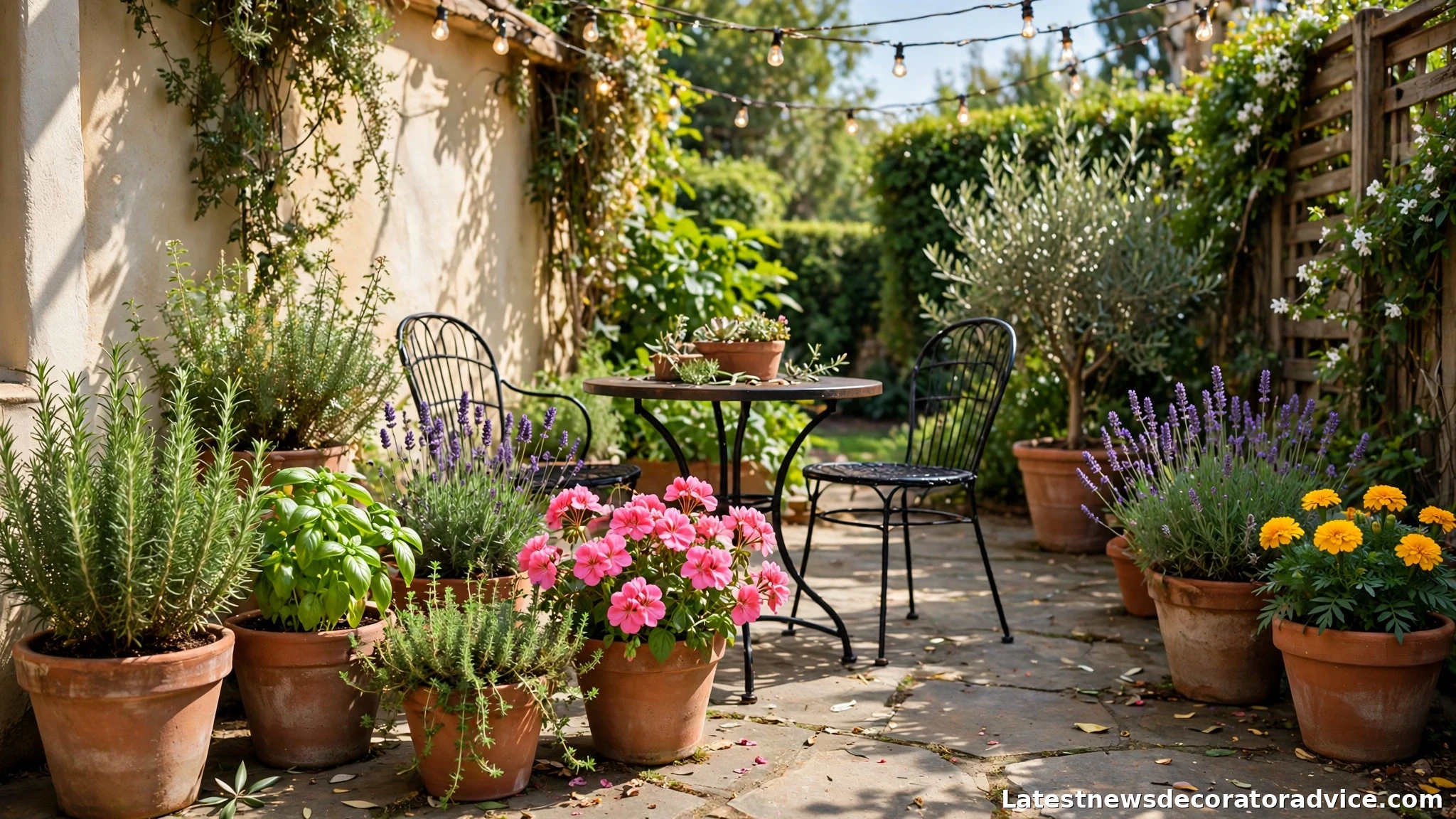
Small gardens can be just as rewarding as large ones, and often easier to care for. With Decoradyard Garden Tips By Decoratoradvice, you can make the most of every metre, grow food and flowers in pots and beds, and create an outdoor space that feels generous, not cramped.
Start by measuring your space and noting sunlight, shade, and wind. Small spaces reward planning: a plant in the wrong spot will struggle, while the same plant in the right spot will thrive. Choose a few favourites rather than trying to grow everything at once.
Decoradyard Garden Tips By Decoratoradvice for Small Spaces
Use vertical space. Trellises, wall planters, hanging baskets, and shelves turn fences and walls into growing areas, leaving ground space for seating and paths. Climbing plants, such as beans, peas, and jasmine, add height and colour without taking much floor space.
Containers that work well
Containers are ideal for small gardens, balconies, and patios. Choose pots with drainage holes, use good compost, and water regularly, because pots dry out faster than beds. Group pots together to create a lush effect and to reduce watering, and use large pots where possible, since they hold moisture longer than tiny ones.
- Grow upwards with trellises and wall planters.
- Use large pots for better moisture and root growth.
- Group pots to create shade and reduce watering.
- Choose compact and dwarf varieties for small spaces.
Grow Food and Flowers Together
Mixing food and flowers makes small gardens beautiful and productive. Herbs, salads, tomatoes, and strawberries grow well in pots, while marigolds, nasturtiums, and lavender add colour and attract pollinators. Succession sowing, planting a little every few weeks, keeps harvests coming through the season.
For reliable, region-specific plant advice, the Royal Horticultural Society offers guidance on varieties, soil, and care that suits small gardens as well as large ones.
Make seating part of the garden
A small garden should be a place to enjoy, not just to work in. Leave room for a chair, a small table, or a bench, and surround it with scented plants and soft lighting. A clear focal point, such as a pot, a water feature, or a small tree, makes the space feel designed rather than crowded.
Plan Your Small Garden Layout
Before you buy plants, sketch a simple layout on paper, even if it is just a rough rectangle with notes. Mark the sunniest and shadiest corners, the main path, and where you will sit, because these decisions shape everything else. Keep paths clear and wide enough to walk comfortably, and avoid filling every centimetre with pots, which makes the garden hard to care for and less pleasant to use.
Think in layers: tall plants and climbers at the back or against a fence, medium shrubs and flowers in the middle, and low herbs and ground cover at the front. This layered approach creates depth, hides bare soil, and makes a small space look fuller without feeling cluttered. Leave one area deliberately open, such as a small lawn, patio, or gravel seating spot, because open space gives the eye a place to rest and makes the garden feel larger.
Watering and Feeding in Pots
Pots need more attention than beds, but a simple routine makes the job easy. Water in the early morning or evening, check soil with your finger before watering, and make sure excess water can drain away, because roots sitting in water will rot. Mulch the surface of pots with bark or gravel to slow evaporation, and group pots so they shade each other in hot weather.
Feed container plants regularly during the growing season, because nutrients wash out with frequent watering. Use a balanced liquid feed according to the label, and refresh the top layer of compost each spring, or repot plants that have outgrown their containers. These small jobs, done little and often, keep small gardens productive, healthy, and attractive through the whole season.
Keep a Small Garden Healthy
Small gardens need regular, light care. Water pots daily in warm weather, feed plants during the growing season, and prune to keep growth in proportion. Remove dead leaves, check for pests, and refresh compost in pots each year, because nutrients wash out faster in containers than in beds.
Composting kitchen and garden waste, where allowed, improves soil and reduces waste, even in a small space with a compact bin. Keep tools tidy, store them near the garden, and spend a few minutes each day observing plants, because early attention prevents most problems from becoming serious.
You can find related outdoor advice in our guides to Decoradhouse Garden Tips By Decoratoradvice, Decadgarden Yard Tips By Decoratoradvice, and Decoradtech Smart Home Ideas By Decoratoradvice, and on the Decoratoradvice homepage.
Frequently Asked Questions
What grows best in a small garden? Herbs, salads, strawberries, tomatoes, and compact flowers grow well in pots and small beds. Choose varieties labelled compact, dwarf, or suitable for containers.
How often should I water pots? In warm weather, check pots daily and water when the top few centimetres of compost feel dry. Large pots and mulching help soil stay moist longer.
Can I garden on a balcony? Yes, with suitable pots, wind-tolerant plants, and attention to weight limits and drainage. Start with herbs and salads, which are forgiving and rewarding.
How do I make a small garden feel bigger? Use vertical planting, light colours, mirrors of planting, a clear focal point, and one open area for seating, rather than filling every corner.
Conclusion
Small gardens reward smart choices: vertical planting, good containers, suitable varieties, and regular, light care. With Decoradyard Garden Tips By Decoratoradvice, you can enjoy big results, fresh food, and beautiful flowers, even in the smallest outdoor space.
[…] Decoratoradvice Decoration Ideas Decoradyard: Fresh Ways to Style Your Outdoor Space Decoradyard Garden Tips By Decoratoradvice: Small Garden, Big Results Decoradtech Smart Home Ideas By Decoratoradvice: Simple Ways to Make Your Home Smarter […]
[…] From Decoratoradvice Decoration Ideas Decoradyard: Fresh Ways to Style Your Outdoor Space Decoradyard Garden Tips By Decoratoradvice: Small Garden, Big Results Decoradtech Smart Home Ideas By Decoratoradvice: Simple Ways to Make Your Home […]