
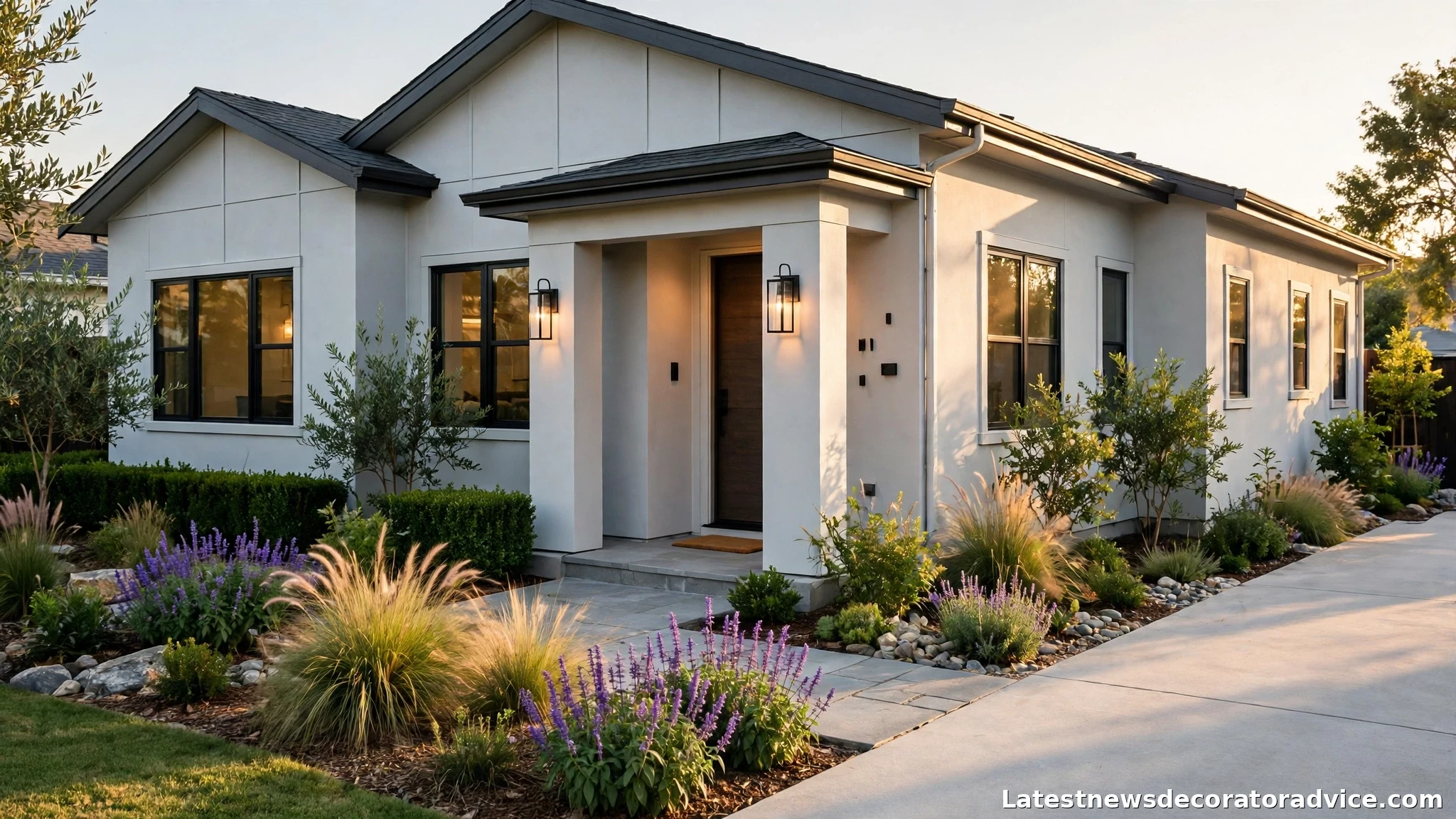
Not every upgrade is worth the money, but the right ones can make daily life easier, cut bills, and increase your home’s appeal. With Decoradhouse Upgrade Tips By Decoratoradvice, you can choose improvements that add real value, avoid spending on trends that fade quickly, and plan work in a sensible order.
Start with what buyers and valuers notice, and what you will enjoy every day: a sound structure, efficient heating and insulation, a practical kitchen and bathroom, and good storage. Cosmetic changes matter, but they should come after the essentials are in good shape.
Decoradhouse Upgrade Tips By Decoratoradvice for High-Value Improvements
Energy upgrades are often the smartest first step. Insulation, draught-proofing, efficient windows, and modern heating controls improve comfort and reduce running costs, and they benefit every room. They are also less disruptive than a full remodel, and they make a home more attractive to future buyers.
Kitchens and bathrooms that work harder
In kitchens, focus on layout, storage, lighting, and durable worktops before luxury finishes. A well-planned kitchen with clear work zones and easy-to-clean surfaces will serve you for years. In bathrooms, good waterproofing, ventilation, efficient fixtures, and slip-resistant floors matter more than fashionable tiles alone.
- Fix structure, insulation, and plumbing before cosmetic work.
- Choose durable, easy-to-clean materials for busy rooms.
- Improve storage in every room, especially halls and kitchens.
- Keep upgrades in proportion to your home and neighbourhood.
Small Upgrades With a Big Impact
You do not need a major project to add value. Fresh paint in neutral tones, new door handles, updated lighting, and tidy gardens can transform first impressions. Replacing worn carpets, repairing damaged walls, and improving the entrance often return more than their cost in comfort and appeal.
Smart storage is another high-impact upgrade. Built-in wardrobes, pantry shelving, and under-stair storage make homes feel larger and more organised. For practical project ideas, This Old House offers guides on upgrades that improve both function and resale value.
Plan upgrades in the right order
Work from the outside in and from hidden systems to visible finishes. Repair roofs and gutters, then insulation and heating, then rooms themselves. This order prevents new finishes being damaged by later structural work, and it keeps projects manageable if budgets change.
Outdoor Upgrades That Pay Back
The outside of your home shapes first impressions, so outdoor upgrades often pay back quickly. Repair paths and driveways, repaint or replace a tired front door, and add clear, warm lighting by the entrance. A tidy front garden, healthy lawn, and trimmed hedges signal that a home has been well maintained, which reassures buyers and visitors alike.
In the back yard, focus on usable space rather than expensive features. A level patio or deck, a shaded seating area, and simple planting can turn an unused yard into a room for dining and relaxing. Keep outdoor structures in good repair, check fences and gates, and make sure drainage directs water away from the house, because damp and flooding problems undermine every other improvement.
Avoid Common Upgrade Mistakes
One common mistake is chasing a trend that does not suit the home. Bold colours, unusual layouts, and highly specific finishes can put off future buyers, even if you love them. A safer approach is to keep permanent features neutral and broadly appealing, and express personal taste through accessories that are easy to change.
Another mistake is starting several projects at once without finishing any of them. Half-finished rooms are stressful to live with and hard to value. Finish one upgrade properly, including cleaning, snagging, and documentation, before starting the next. Finally, do not ignore maintenance: a new kitchen in a home with a leaking roof will not hold its value, so protect your investment by keeping the basics sound.
Budgeting and Measuring Value
Before you start, get quotes, set a contingency, and think about payback in both money and daily comfort. Some upgrades, such as insulation, save money every month, while others, such as a new kitchen, mainly improve lifestyle and sale appeal. Both can be worthwhile, but they should be judged differently.
Avoid over-improving for your area: a very expensive finish in a modest neighbourhood may not return its cost. Instead, choose quality mid-range materials, keep the style broadly appealing, and document work with receipts and warranties. These records help future buyers trust the quality of what was done.
You can find related planning advice in our guides to Decoration Tips Decoradhouse From Decoratoradvice, Decoradhouse Renovation Tips From Decoratoradvice, and Decadgarden Yard Tips By Decoratoradvice, and on the Decoratoradvice homepage.
Frequently Asked Questions
Which upgrades add the most value? Energy efficiency, kitchens, bathrooms, and good storage usually add the most, especially when the work is well finished and in proportion to the home.
Should I upgrade before selling? Fix obvious defects and refresh tired rooms first. Large, expensive projects may not return their full cost, so focus on repairs, paint, and presentation unless a room is truly failing.
How do I avoid overspending? Set a budget, get written quotes, keep a contingency, and avoid changing the scope once work starts. Compare cost against both daily benefit and likely resale effect.
Are small upgrades worth doing? Yes. Lighting, paint, handles, storage, and garden tidiness are low-cost ways to make a home feel newer, brighter, and better maintained.
Conclusion
Smart upgrades start with essentials, focus on daily comfort and efficiency, and finish with presentation that shows the home at its best. With Decoradhouse Upgrade Tips By Decoratoradvice, you can spend wisely, improve how your home lives, and add value that lasts.